Bamboo Markt – Find Everything Sustainable

04 Oct
Uncategorised
54 views
0 Comments

Certified Sustainable: Labels That Matter When Choosing Products

Labels like ‘Fairtrade’, ‘Eco Friendly’ are common on daily-use products, but do they really matter? There is an overwhelming amount of labels that tend to confuse the buyers. While sustainable branding matters, let’s look at what these labels actually mean.

Shopping for ‘green’ or ‘natural’ products, you cannot just trust the branding. Here are the labels that mandate brands to guarantee strict standards, whether it is fair pay for the farmers, animal welfare or reducing the environmental damage.

A 2023 YouGov Survey revealed that a large number of Britishers are asking for responsible environmental policy. On the other hand, the brands use labels for clever marketing instead of genuine compliance with certifications that matter.

Not all labels are created equal, you can double-check the certifications through the product databases of reputed organisations like Fairtrade and FSC. Wording like ‘All Natural’,’ Planet Safe’, without a certification, is vague and doesn’t confirm compliance.

Here are the 8 labels that are backed by legit organisations that you can feel confident in:

Fairtrade

Fairtrade Labelling ensures compliance with the accepted fair trade regulations, whether it is the farmers, workers or businesses. These regulations are independently certified for fair pricing, environmentally-friendly practices and gender equality at each level.

Most daily-use consumable products like coffee, tea, fruits, juices and rice are certified under Fairtrade, and it would confirm quality, competitive pricing and fair trade practices starting from the farm. The organisation also carries labels for cosmetic ingredients, cotton, gold and many other commonly used items.

Fairtrade is verified by FLOCERT certification that confirms strict environmental, social and economic standards. For the producers, the label gives access to the global market, signalling sustainable business growth.

Leaping Bunny (Cruelty-Free International)

This is a globally recognised certification that ensures products are free of animal cruelty. It is verified that none of the certified products, like cosmetics, raw ingredients and personal care items, are tested on animals.

Brands can apply to get the Cruelty-Free label, which will verify respect for animals while making products. Instead, a rigorous testing methodology is ensured at the Laboratory.

The certification holds significant standing internationally as the only label that confirms strict adherence to criteria against animal testing. Consumers can verify the product through Cruelty-Free International’s Website.

FSC – Forest Stewardship Council

Forest Stewardship Council (FSC) is an internationally recognised certification for timber, the key construction material in the UK. The FSC certification is also standard on Paper and Packaging.

This non-profit organisation ensures the protection of forests across the globe, and the label indicates strict compliance with its extensive supply chain network. Its credibility stems from the network of independent bodies that audit the compliance with the FSC’s Principles and Criteria for forest management.

Soil Association Organic

The Soil Association is offering certification for businesses that are growing organic food and making it accessible to the general public.

From the farm to the shop, the organisation ensures that the food is grown in the most natural way possible. Social organisation is setting up the standard for the producers by ensuring natural farming methods.

Social Association Organic holds a strong reputation as the oldest and most respected organic food certification. In both the EU and the UK, it has held strong standards for sustainable farming.

Rainforest Alliance

Rainforest Alliance is an international NGO that offers certifications for produce coming from rural landscapes. They are working with 62 countries to promote sustainable farming and protect the environment. The frog logo has become recognisable among consumers.

The Rainforest Alliance is an independent organisation that offers certifications after assessing the supply chain and verifying compliance with environmental standards. Crops like Bananas, Cocoa, Coffee, Tea, Flowers, and other ingredients that carry the Rainforest Alliance label are generally better to consume if you can find them.

MSC – Marine Stewardship Council

MSC focuses on fisheries. The label certifies that the produce meets the sustainable fishing requirements. The organisation deal with the supply chain and labels the compliant wild fish or seafood before reaching the shop.

Their prime concern is overfishing, a grave threat to the marine ecosystem. They estimate that over a third of the fish stock is obtained unsustainably. MSC certifies the operations that follow the guidelines, allowing them to carry the blue label, which certifies the produce.

Marine Stewardship Council is a robust organisation recognised and assessed by the third-party body ‘CAB’ to ensure fisheries compliance. The worldwide acceptance of the MSC standard guarantees the credibility of the label.

Carbon Trust & Carbon Neutral Certified

The Carbon Trust offers the opportunity to get verified for Net Zero Carbon Emissions. The PAS 2060 standard for carbon neutrality allows businesses to set a path. They can carry the label after a carbon-neutral footprint is set up.

The requirements start from the procurement and distribution of raw material, and at each phase, the use of carbon is reduced to a minimum. Even in disposal and recycling, the businesses are required to create carbon offsets. Suggested practices include the methods that end up absorbing carbon dioxide from the atmosphere.

The Trust was set up 20 years ago, gathering experts who ensure compliance across the continents. The certification is only awarded after the company has met the Zero-Carbon standard.

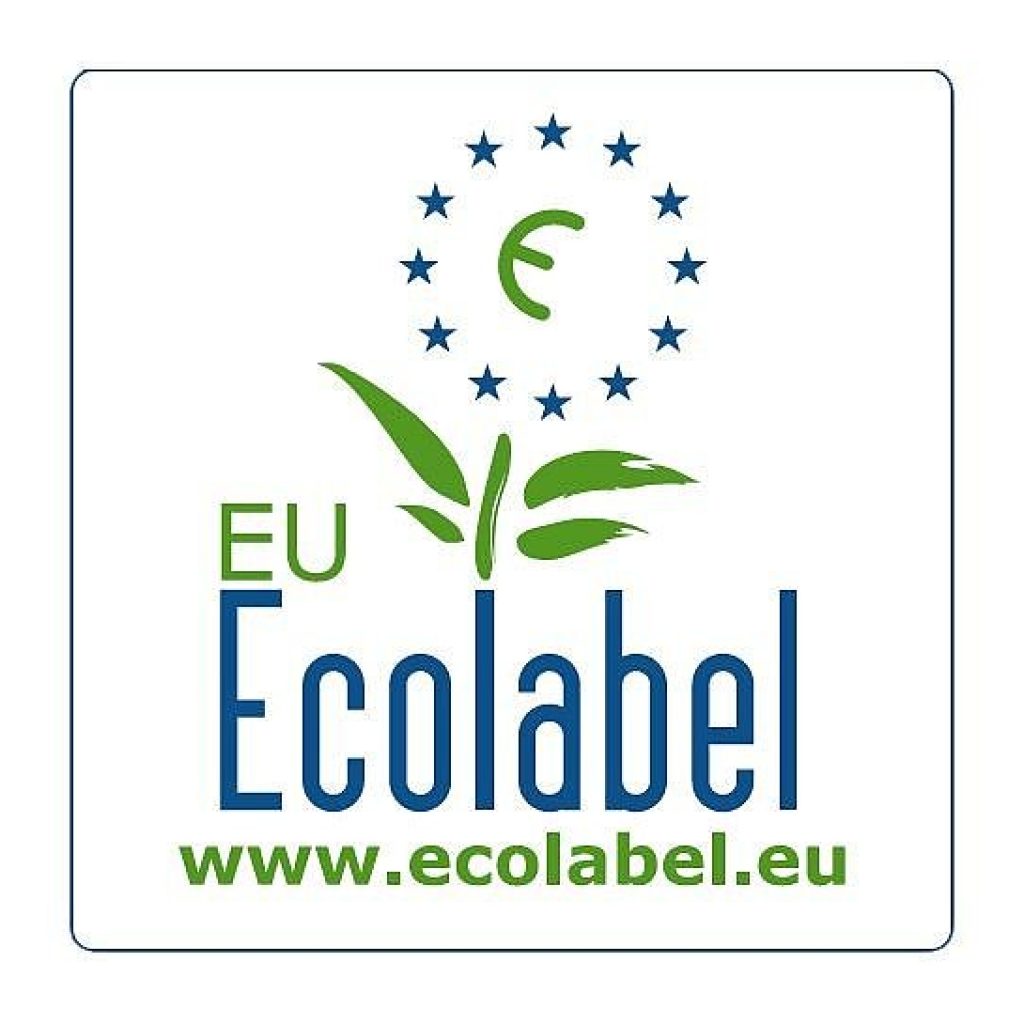
EU Ecolabel

While the UK has pulled out of the EU, there are still products that carry the EU Ecolabel. It is an official certification for businesses to comply with environmentally friendly practices in different sectors. They offer solutions for businesses, retailers, consumers and even green procurement.

It was set up to reduce confusion among consumers with the rise of vague and misleading labels in the market.

EU Ecolabel is the ISO 14024 Type 1 ecolabel that is a multi-criteria and third-party verified standard. If a product is issued the EU Ecolabel, compliance with the environmental standard is guaranteed.

How To Make The Choice

The certifications are set up for the shoppers to look through and make the best choice for a sustainable future. Not all labels are created equal, but the obvious ones are backed by solid organisations.

Next time you’re shopping, look beyond vague claims like ‘eco-friendly.’ Check for these trusted labels, because your choices shape a more sustainable future.

Leave a Reply