Bamboo Markt – Find Everything Sustainable

27 Nov
Uncategorised
30 views
0 Comments

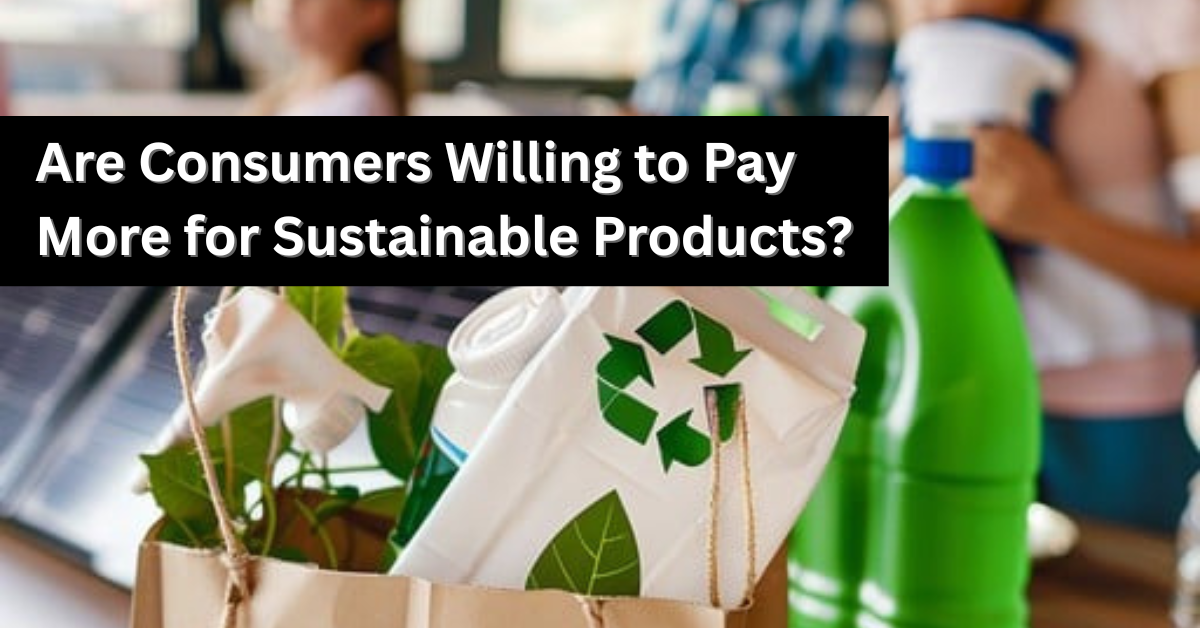
Are consumers willing to pay more for sustainable products?

Introduction

Emma, a teacher in Bristol, has recently faced a common problem in a supermarket. She had to choose between her usual laundry detergent and a little pricier alternative. That alternative is actually sustainably focused. She paused and wondered: Is paying extra really worth it?

The same question is being asked across the UK — and the answer is increasingly “yes.” For businesses, it is important to understand this shift, as it can it can help connect with a growing audience that is willing to invest in durability.

In this article, we’ll explore what customers want in 2024–2025, share practical tips for businesses, and highlight key lessons brands can learn to succeed in a sustainability-focused market.

What Customers Want in 2024–2025

A clear shift can be seen in recent surveys in consumer behavior:

  • PwC 2024: 85% of consumers say they’re willing to pay more for products created or supplied ecologically, with an average premium of 9.7%, sometimes reaching 12–25% for high-quality products.
  • PwC 2025: Buyers are still paying attention to prices, although going green remains a priority. For example, 44% of consumers say they’d pay more for sustainable food products, showing that context matters.
  • Blue Yonder 2025: 77% of consumers globally are willing to pay more for sustainable products, while 49% of supply chain leaders prioritize sustainability alongside resilience and profitability. Also, 40% of global carbon emissions are reachable using cost-effective strategies, which proves that sustainability is actionable and profitable.

Younger generations, particularly Gen Z and Millennials, are driving this trend — often exceeding 70% willingness to pay a premium. These clear observations show that while price matters, clear value and trust can justify higher costs.

Consumer Willingness to Pay More
for Sustainable Products (2024–2025)

Value for Businesses and Brands

For green businesses, these numbers are positive signals that:

  • Transparency is critical: Consumers want to know that sustainability claims are genuine.
  • Pricing matters: Raising prices a little is most effective, but too much can stop people from buying.
  • Storytelling works: Sharing the journey of a product — from where it comes to how it affects the environment can help people trust your brand.

Practical Tips for Businesses to Act on Trends

Simple, actionable tips to help businesses respond effectively to emerging consumer trends.

  • Highlight Eco-Credentials
    Use certifications like B Corp, Fairtrade, or Rainforest Alliance to show proof that what you say is true.
  • Tell the Story Behind the Product
    Show how materials are sourced, produced, and packaged sustainably. Consumers relate to real stories.
  • Quantify Impact
    Include measurable benefits: e.g., “Saves X kg of CO₂ per product” or “Reduces water use by Y%.”
  • Offer Tiered Options
    Provide both basic green products and premium versions to cater to different budgets.
  • Bring in Trust and Transparency
    Share audits, reports, or impact dashboards to bridge the gap between intent and action.
  • Offer Eco-friendly Packaging
    A recyclable or environmentally safe packaging signals care and value that helps justify a premium.

What Brands Can Learn From Consumer Trends

These are the key lessons that brands can take from consumer behavior to stay competitive and relevant.

  • Segment your audience: Millennials and Gen Z are more willing to pay premiums, so adjust marketing to their values.
  • Boost local influence: UK consumers respond positively to locally sourced or produced goods.
  • Connect sustainability with profitability: The overlap between 77% of eco-conscious consumers and 49% of supply chain leaders creates a chance to grow the brand while also making operations run more smoothly.
  • Emphasize measurable strategies: Affordable actions can reduce 40% of global emissions — a clear story you can share with customers and investors.
  • Balance profit and purpose: Sustainable products can be a little expensive, but if the pricing is reasonable, it feels valuable and affordable.

Conclusion

This is clear proof: many consumers are willing to pay more for sustainable products, especially when brands are ready to provide transparent, acceptable, and real value. This is an opportunity for green businesses to increase revenue. They have a chance to build trust and stand out in the market.

Platforms like bamboomarkt.com make it easier for eco-conscious brands to reach this growing audience. Because it connects responsible businesses with the consumers who are ready and willing to invest in a greener future.

Leave a Reply