
ISO 14001 and ISO 14005 both guide environmental management, but ISO 14001 is a full EMS, while ISO 14005 offers a phased approach. This guide compares them, highlights benefits, and explains ...

27Nov
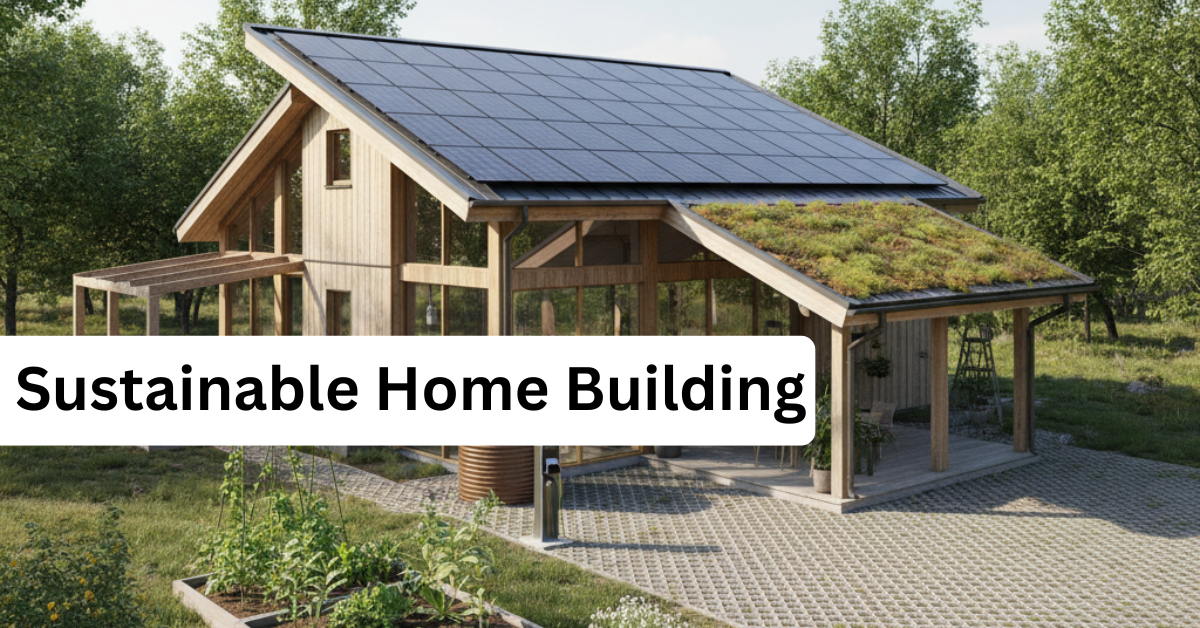
Building a sustainable home is becoming the new standard for responsible living. With rising energy costs and growing environmental pressures, homeowners are turning to smarter, greener construction choices.
This guide breaks down what sustainable home building really means and how it’s transforming the future of housing in the UK.
Sustainable home building is not just using “green” materials — it integrates sustainable home design principles into every aspect of how a home is designed and constructed to maximise energy efficiency and minimise long-term environmental impact. It also aims to maintain homes over time. It is also about creating spaces that use fewer resources and produce less waste. The spaces created must be efficient throughout their lifecycle.
Sustainable construction means smart material selection and designs that are energy conscious.. Only renewable or recycled materials are used, such as bamboo, reclaimed wood, cork, and hempcrete. These reduce the carbon footprint from the start. The need for excessive heating or cooling is minimized by the use of High-quality insulation, double-glazed windows, and airtight construction.
Modern sustainable homes often include **low-flow fixtures, rainwater harvesting systems, and greywater recycling. These all work together to reduce water waste. Self-sufficiency increases and reliance on fossil fuels reduces by using renewable energy sources like solar panels and ground-source heat pumps.
Design principles like, Passive solar design maximizes natural heat and light by strategically using windows and walls, while air quality is maintained by natural ventilation systems. It does not involve heavy mechanical cooling. Architects combine eco-friendly design with modern aesthetics to create homes that are both functional and intriguing.
These principles create self-sustaining homes that reduce pressure on national energy and water systems.
Sustainable home building is a necessary step toward a more responsible and resilient future. Its impact reaches across environmental, economic, and social dimensions.
Green construction methods reduce carbon emissions on a massive scale.
Sustainable building helps prevent climate change and preserve ecosystems while also lowering dependency on non-renewable resources
Sustainable materials and renewable systems can have a higher upfront cost, but can be paid off through long-term savings.
Government incentives and green mortgages in the UK are encouraging homeowners to invest in sustainable solutions, making eco-friendly living affordable.
Sustainable homes provide healthier indoor environments by using non-toxic paints, natural materials, and better ventilation.
In short, sustainable home building benefits the planet, supports economic growth, and enhances your quality of life as well.
The UK is taking a strong shift toward sustainable construction, driven by:
More and more people are adopting eco-friendly methods from developers, architects, or homeowners, in order to meet both the environmental goals and the rising demand for greener homes.
At the same time, sustainability certifications like BREEAM (Building Research Establishment Environmental Assessment Method) and Passivhaus are becoming benchmarks for quality, efficiency, and environmental performance in construction.
Technology is also changing the way of construction. Faster construction with less waste and lower emissions can be possible if people adopt modular and ready-made building methods.
Smart energy management systems are now at the heart of sustainable homes. Consumption is managed and waste is reduced with the help of automated thermostats, solar battery storage, and real-time energy. These technologies, when merged with renewable power sources, can enable your homes to function mostly without a typical electricity supply.
Innovation in materials is also becoming a leading trend. Builders are experimenting with carbon-neutral concrete and recycled steel. Bamboo composites and plastic materials are also being used. These are all made to reduce environmental impact. By utilizing these, strength and durability will not be compromised. This shift is creating new supply chains that focus on sustainability. i.e., every component of a home is chosen with long-term impact in mind.
Urban planners are blending green spaces, renewable infrastructure, and low-emission transport systems into new developments. These all support environmental health and modern living standards.
The following features, like solar panels and water reuse systems, are essential components of self-sustaining homes.
Energy efficiency forms the foundation of sustainable home design. It’s all about using less energy to achieve the same comfort levels.
Builders can make this happen through high-grade insulation, double- or triple-glazed windows, and airtight construction that minimizes heat loss. Smart thermostats and energy monitoring systems are integrated now to control usage in real time. Solar panels, air or ground-source heat pumps, and solar water heating systems reduce reliance on oil or gas and spending on electricity bills.
The right materials must be chosen if you want to build sustainability.
These options are renewable, durable, and often locally sourced. they form the foundation of eco-friendly house design, which also supports lower emissions. Even the selection of paints, adhesives, and finishes is now based on their low VOC (volatile organic compound) content. It promotes fresh and healthy indoor air.
Traditional materials like concrete and steel carry heavy carbon footprints, so modern builders are using bamboo, reclaimed wood, cork, hempcrete, and recycled steel.
Also, some advanced systems can be taken in, such as rainwater harvesting and greywater recycling. It refers to collecting rainwater for gardening or flushing and reusing lightly used water from sinks or showers. By doing these, these systems make your homes more self-sufficient and reduce burdens on public water supplies.
We can take simple steps to help reduce excess use of water in a way that daily use is not affected. They can be low-flow fixtures, dual-flush toilets. We can also install faucets that mix air into the water stream.
Design choices shape an eco-friendly home. Passive solar design multiplies sunlight during winter, also preventing overheating in summer.
Natural ventilation systems maintain air circulation, thereby reduce the need for mechanical cooling. A principle is used by Architects, called biophilic design principles. It brings in natural materials, greenery, and outdoor access that make homes greener and connected to nature.
A truly sustainable home considers its entire lifecycle — from the extraction of raw materials to construction, use, and removal or reuse. Builders are using modular construction techniques nowadays. It produces less waste, uses the elements that can be broken up, and also supports recycling. This approach cuts waste during construction and ensures the structure can adjust to future needs without complete reconstruction.
Sustainable homes can be defined by the interconnection of all these elements. It means when energy, materials, design, and water systems work together efficiently, we get a living space that benefits both the citizens and the earth.
Green home plans mean how a house can use less energy and resources from day one. They cover layout, orientation, and passive solar design. Natural ventilation and sustainable material choices are also part of these plans.
They matter because by using these, a home’s long-term carbon footprint can be lowered, utility costs can be reduced, and indoor comfort can be improved.
For new builds, green home plans give homeowners a clear plan to include sustainable features early and align with builders who specialise in self-sustaining homes.
To get a sustainable home, there is a network of professionals who are committed to green innovation.
Sustainable builders use green principles. When they design the planning, source the material, or construct, they greatly focus on minimizing waste, reducing site emissions, and maximizing energy performance. They also use ready-made components to limit waste. To improve efficiency, they source renewable materials and apply advanced insulation techniques. Many builders also follow industry standards such as BREEAM, Passivhaus, or LEED, ensuring that each project has a healthy structure.
Material suppliers also play an important role, because they provide certified eco-friendly products. The suppliers are encouraged to disclose their sourcing methods, just because of the sudden shift towards transparency. They also apply carbon footprints and recyclability. From reclaimed timber yards to bamboo product manufacturers and hempcrete producers, these suppliers are central to the green construction ecosystem.
Similarly, renewable energy providers — like solar panel makers and green energy suppliers — help complete the sustainability circle. Because of this, homeowners can have full sustainability by getting clean energy into the construction process and home operations.
Bamboomarkt makes it easier for homeowners and businesses to find and connect with these verified green professionals. If you are a builder looking for responsible suppliers or a homeowner searching for certified sustainable contractors, then Bamboomarkt brings all these connections together in one place.
Initial costs and perception barriers are the common concerns. Eco-friendly materials, energy systems, and certifications can carry higher upfront prices, which can scare off some homeowners.
However, these costs are gradually falling due to growing awareness and advancement in technology. Also, the initial investments cannot hold as much value as long-term savings, which you can gain from reduced energy or maintenance expenses.
Another challenge is the availability of skilled workers. If u want a sustainable construction, then it requires expertise in energy modeling, materials science, and modern building technologies. These are the skills not all builders have. The UK, however, has started some training programs. There are some sustainability courses and a few government-led programs that promote green construction skills.
Government support and innovation are also speeding up the change. Some policies are introduced that encourage net-zero homes and tax relief on renewable installations. They are also funding eco-housing projects, which can help builders and homeowners support greener practices. Sustainable construction is also being promoted through some new technologies like a 3D-printed home, AI-based energy management systems, and carbon-neutral concrete.
As public interest in climate responsibility continues to rise, sustainable home building is becoming a niche preference and a mainstream expectation. In an eco-conscious market, the green construction businesses will have a great lead position.
Building sustainably starts with the right partnerships — and that’s exactly what Bamboomarkt.com was created to simplify.
Bamboomarkt is a dedicated directory for green and sustainable businesses across the UK, helping individuals and companies find verified partners in construction, materials, and renewable energy. Whether you’re searching for sustainable builders, eco-friendly materials suppliers, solar panel manufacturers, or renewable energy providers, Bamboomarkt brings them all under one digital roof.
The platform aims to make sustainability accessible by promoting businesses that prioritize environmental responsibility. Each listing helps users make informed choices, connect directly with professionals, and take confident steps toward greener living and building practices.
Bamboomarkt offers a trusted space to homeowners. They can explore many options for sustainable renovation and energy solutions. It also provides a platform to businesses to showcase their eco-credential and attract concerned clients. The businesses can also take part in the growing green economy.
Bamboomarket is helping to shape the UK’s future of sustainable living by connecting builders, suppliers, and consumers.
Bamboomarkt.com helps you find the right builder to create a genuinely sustainable home.
On Bamboomarkt, you can:
For homeowners, it’s a simple way to find qualified eco-builders..
Below are ten reputable UK builders and construction firms known for sustainability-focused home building, eco-design, and green construction practices, that are perfect candidates to feature within the article and later invited to join Bamboomarkt:
Register or refer a sustainable home builder company
With the right design, materials, and green home plans, UK homeowners can create spaces that are efficient, adaptable, and future-ready.
Platforms like Bamboomarkt make it easy to find trusted experts and start your journey toward a truly self-sustaining home.

We use cookies to improve your browsing experience, deliver personalized content, and analyze our traffic. By clicking "Accept All Cookies," you consent to our use of cookies. You can manage your preferences or read our Cookie Policy for more information.